
Yorita

Operations Manager

Jun.12,2026
Introduction
Lithium Fluoride (LiF) is a high-performance inorganic compound valued for its unique combination of thermal stability, optical clarity, and chemical reactivity.
From enhancing the durability of enamel coatings to enabling precision optics and next-generation batteries, LiF plays a critical role across diverse industrial sectors. Selecting the right grade and form of Lithium Fluoride ensures optimal performance in applications ranging from high-temperature furnaces to delicate electronic components.
What Is Lithium Fluoride?
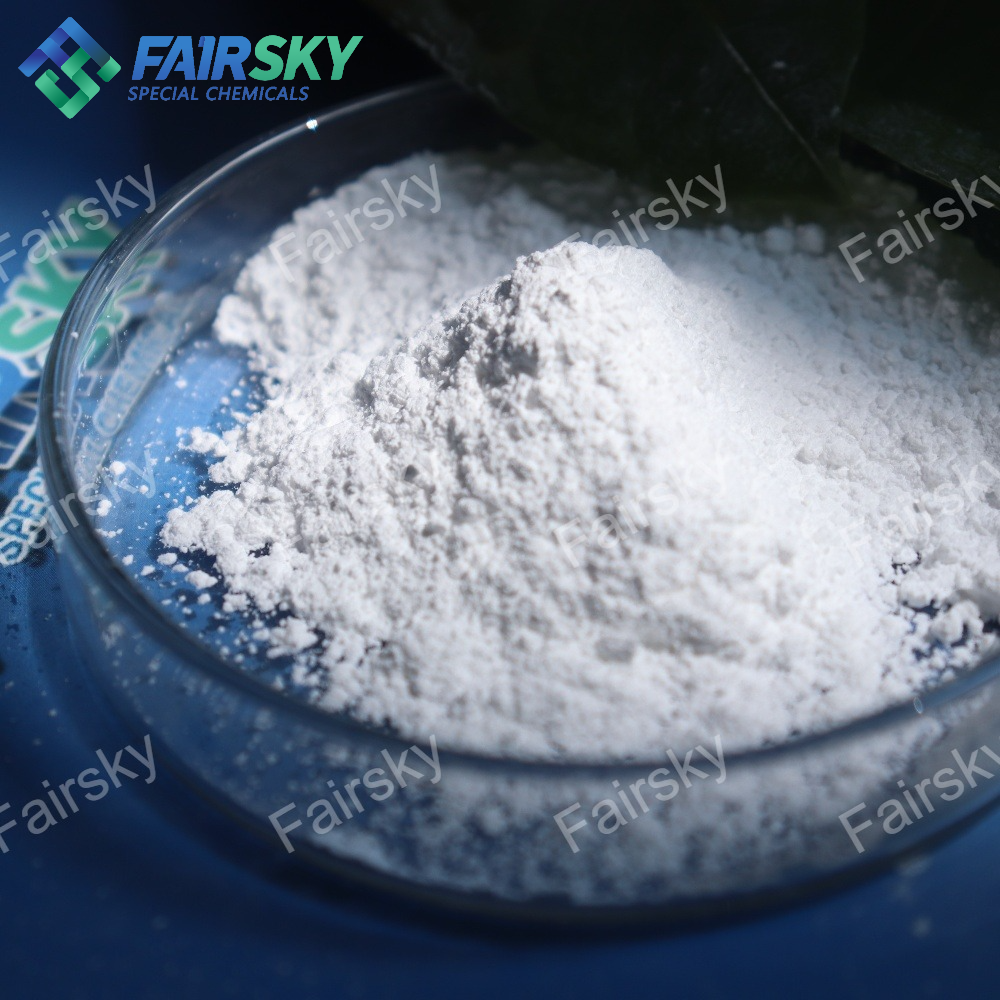
Lithium Fluoride is a synthetic ionic compound with the chemical formula LiF. It appears as a white crystalline solid, with purity determining its optical clarity—ranging from opaque white to completely transparent in large single crystals.
While non-toxic at controlled concentrations, it has a distinct bitter taste. Industrially, it serves as both a functional additive (e.g., flux, desiccant) and a precursor material for advanced technologies, including semiconductors and radiation detection systems.
Key Properties of Lithium Fluoride
Lithium Fluoride is selected for its ability to withstand extreme conditions while maintaining chemical inertness. Below are its core specifications:
|
Property |
Value/Description |
|
Chemical Formula |
LiF |
|
CAS Number |
7789-24-4 |
|
Purity Range |
99.0% - 99.99% |
|
Melting Point |
845 °C |
|
Density |
2.64 g/cm³ |
|
Appearance |
White to Colorless Crystals |
Main Applications of Lithium Fluoride
1. Enamel and Glaze Industry
In the production of premium enamel coatings and ceramic glazes, Lithium Fluoride acts as a powerful flux.
By lowering the melting point of the glaze mixture, it reduces energy consumption during firing and minimizes thermal stress on metal substrates. This results in smoother, more durable finishes with enhanced brightness—particularly valuable for light-colored or pastel enamel products.
2. Optical Glass Manufacturing
For the optics industry, LiF is an essential raw material for producing ultraviolet (UV) and infrared (IR) optical glass.
Its exceptional transmission in the deep UV spectrum (down to 110 nm) and low dispersion make it ideal for lenses, prisms, and windows used in spectrometers, telescopes, and excimer laser systems. High-purity LiF crystals are also critical for precision optical components requiring minimal light scattering.
Lithium Fluoride plays a dual role in energy storage technologies:
4. Desiccant and Soldering Flux
5. Additional Industrial Uses
Beyond the above core applications, Lithium Fluoride retains its traditional roles in:
Supply Considerations for Lithium Fluoride
For industrial buyers, purity consistency and particle size control are critical.
In optical and battery applications, trace impurities (e.g., iron, nickel) can degrade performance—causing cloudiness in lenses or reducing battery efficiency. Similarly, in enamel production, uneven particle sizes lead to surface defects like spotting or dullness.
Partnering with a supplier that provides batch-specific Certificates of Analysis (CoA) and maintains strict heavy metal controls (<10 ppm) ensures reliable results across all applications.
Conclusion
Lithium Fluoride remains a cornerstone material across industries—from the vibrant finishes of enamelware to the precision of optical systems and the reliability of modern batteries.
As demand grows for specialized lithium compounds, choosing a supplier with transparent quality control and application-specific customization capabilities is essential for maintaining production excellence and innovation.
Related Products
 中文
中文  Español
  العربية
  Русский
  Português
  한국어
한국어 

