Cobalt nitrate is an important inorganic cobalt compound widely used in petroleum refining, catalyst preparation, advanced materials manufacturing, and surface treatment industries.
Due to its excellent solubility, high reactivity, and reliable cobalt ion availability, cobalt nitrate serves as a key precursor and functional raw material across multiple high-value industrial sectors.
This article provides a structured overview of cobalt nitrate, highlighting its catalytic role, material applications, and emerging industrial uses, supported by FAIRSKY’s experience in cobalt chemical supply.
Industrial Overview of Cobalt Nitrate
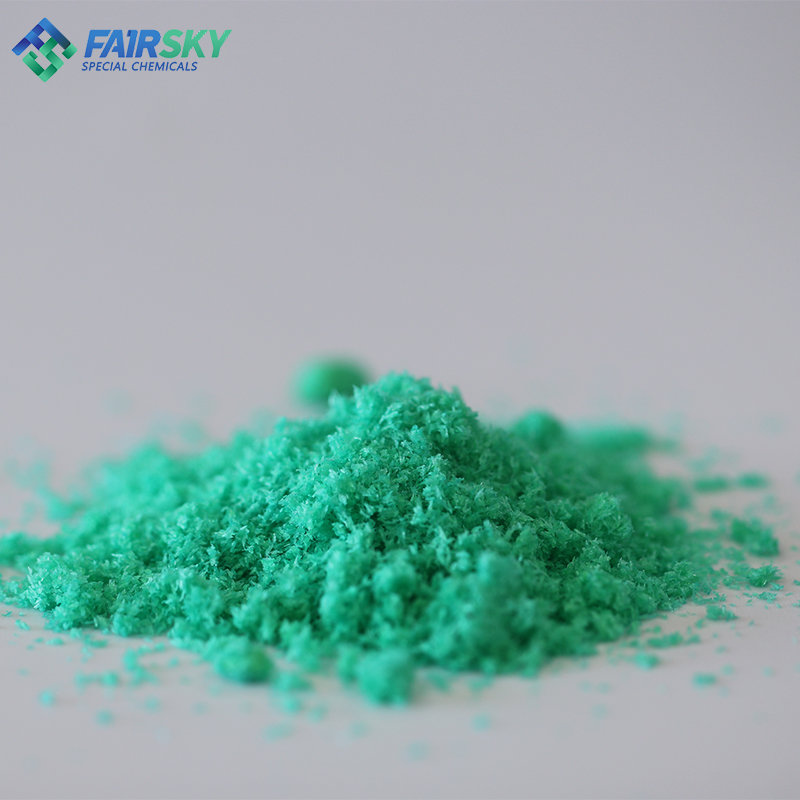
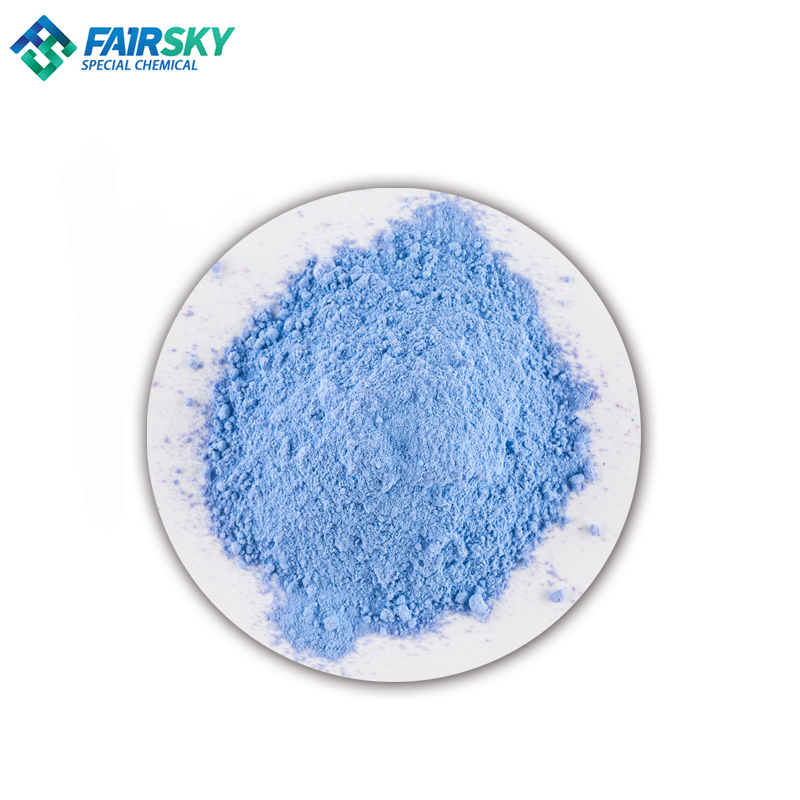
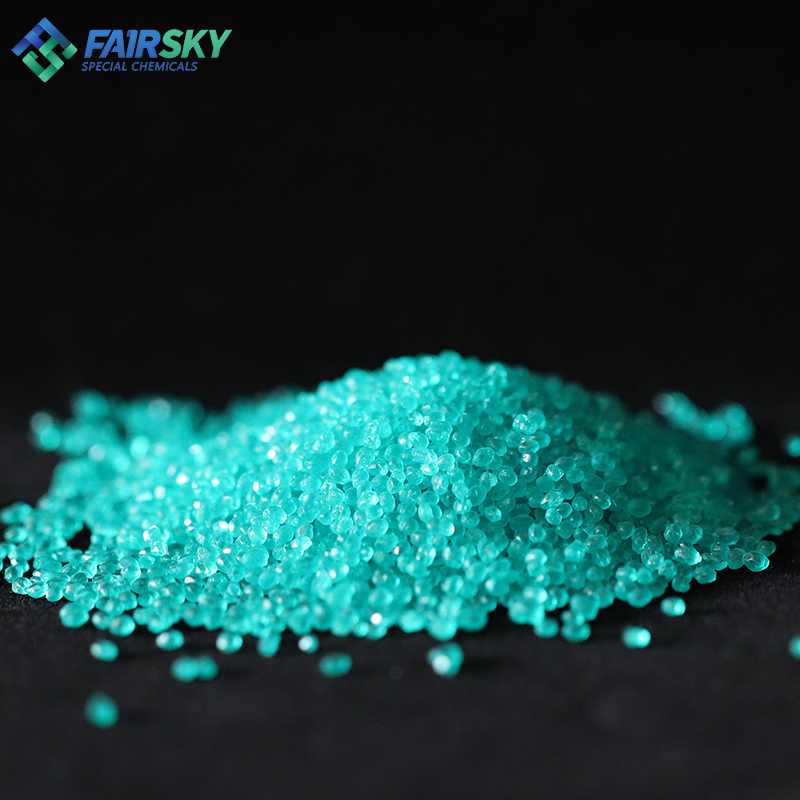
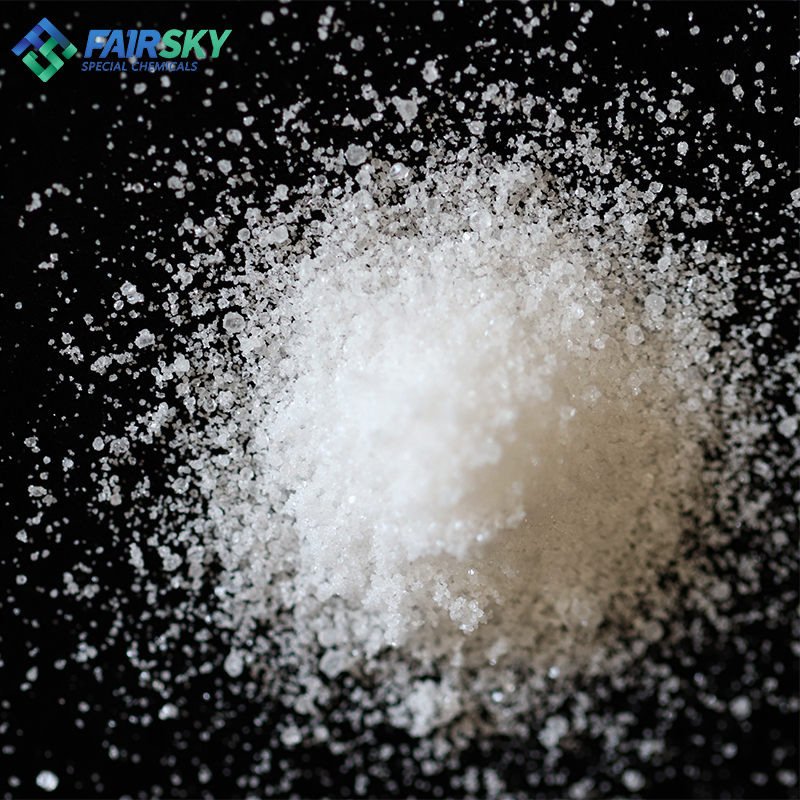
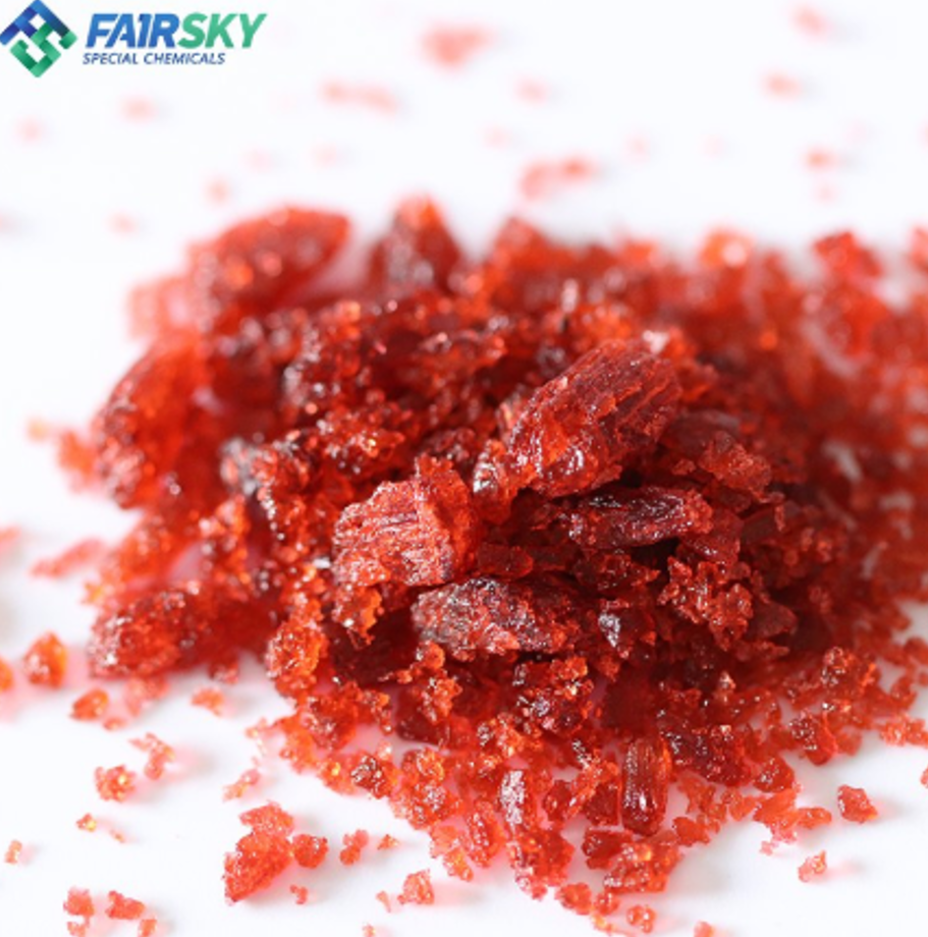
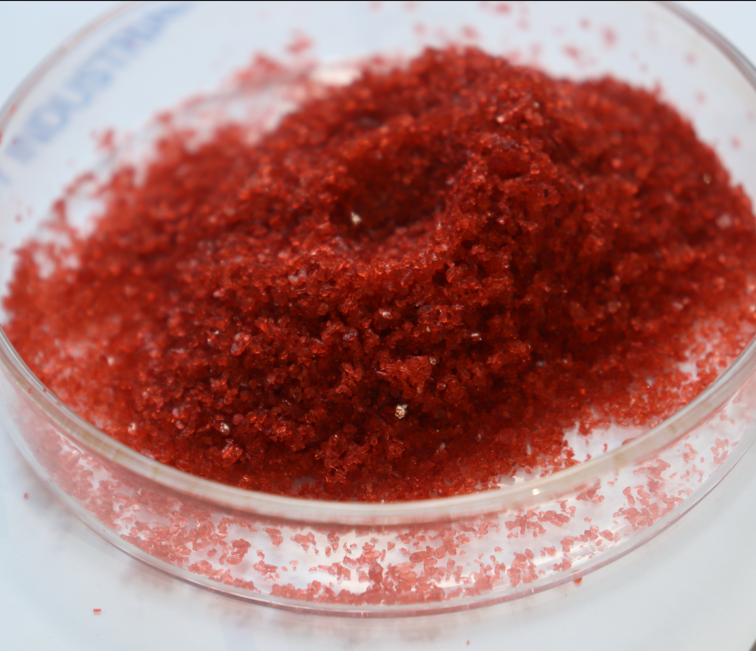
Cobalt nitrate is commonly supplied as cobalt nitrate hexahydrate, appearing as red to pink crystalline solids. It dissolves readily in water and forms stable aqueous solutions suitable for catalyst impregnation, material synthesis, and electrochemical applications.
Because of its strong oxidizing properties and high cobalt content, cobalt nitrate is frequently selected as a precursor for cobalt-based catalysts, magnetic materials, pigments, and battery components.
Product Profile – Cobalt Nitrate
|
Field |
Description |
|
Product Name |
Cobalt Nitrate |
|
Molecular Formula |
Co(NO₃)₂·6H₂O |
|
CAS No. |
10026-22-9 |
|
Appearance |
Red crystalline solid |
|
Solubility |
Highly soluble in water |
|
Stability |
Stable under normal storage conditions |
|
Manufacturer |
FAIRSKY INDUSTRIAL CO., LIMITED |
Catalytic Applications in Petroleum Refining
Hydrodesulfurization (HDS) and Hydrodenitrogenation (HDN)
Cobalt nitrate is widely used as a key raw material in the preparation of HDS and HDN catalysts. These catalytic systems are essential for removing sulfur and nitrogen impurities from petroleum fractions, enabling the production of cleaner fuels and higher-quality refined products.
Cobalt-based catalysts significantly enhance reaction rates and improve product selectivity during refining processes.
Flue Gas Denitration in Catalytic Cracking Units
In fluid catalytic cracking (FCC) systems, cobalt nitrate is used as a cobalt source for preparing modified chromium oxide denitration catalysts.
These catalysts effectively reduce nitrogen oxide (NOₓ) emissions from regenerator flue gas, maintaining high conversion efficiency even at relatively low temperatures while exhibiting good resistance to sulfur dioxide (SO₂) poisoning.
Catalyst Precursor for Cobalt-Based Systems
Cobalt nitrate serves as an important precursor for synthesizing various cobalt-containing catalytic materials, including cobalt oxides and cobalt hydroxide carbonates.
Although some alternative cobalt sources are gaining attention for environmental reasons, cobalt nitrate remains widely used due to its excellent solubility and ease of incorporation into catalytic structures.
Role in Ceramics and Glass Coloring
In ceramic and glass manufacturing, cobalt nitrate functions as a colorant capable of producing vivid blue and purple tones.
It is extensively applied in decorative ceramics, high-end porcelain, and specialty glass products, enhancing visual appeal and commercial value through stable and uniform coloration.
Magnetic Materials Manufacturing
Cobalt nitrate is utilized in the production of permanent and soft magnetic materials such as cobalt ferrite.
These materials are critical in electronics, communication systems, and computing equipment, meeting the growing demand for high-performance magnetic components in modern technology.
Electroplating and Surface Treatment
Cobalt nitrate can be used in cobalt electroplating processes to deposit protective cobalt coatings on metal substrates.
Such coatings improve corrosion resistance, wear resistance, and surface hardness. Additionally, cobalt nitrate participates in certain passivation treatments to enhance the long-term durability of metal components.
Pigments and Dye Production
Within the pigment and dye industry, cobalt nitrate contributes to the production of blue and purple colorants used in textiles, coatings, and printing applications.
Products derived from cobalt compounds are known for their strong coloration strength and good stability under heat and light exposure.
Lithium-Ion Battery Materials
Driven by the rapid expansion of electric vehicles and portable electronics, cobalt nitrate is used as a precursor in the synthesis of lithium cobalt oxide and other cathode materials for lithium-ion batteries.
Its stable cobalt content and solution processability make it suitable for controlled material preparation in battery manufacturing.
Specialty Functional Materials
Cobalt nitrate is also involved in the production of specialized materials such as magnetic inks and magnetic recording components, which are used in information storage and anti-counterfeiting technologies.
Additional Industrial Uses
Beyond its major applications, cobalt nitrate has roles in metallurgy, analytical chemistry (such as potassium determination), and certain chemical formulations. It has also been historically used in specific medical and chemical auxiliary applications.
Storage and Handling Guidelines
Cobalt nitrate should be stored in tightly sealed containers in a cool, dry, and well-ventilated environment. Due to its oxidizing nature, it should be kept away from combustible materials and reducing agents.
Appropriate protective equipment is recommended during handling to ensure safe industrial use.
Conclusion
Cobalt nitrate is a versatile cobalt compound with significant importance in petroleum refining, catalyst production, magnetic materials, pigments, electroplating, and lithium-ion battery manufacturing.
Its high solubility, reactivity, and adaptability make it an essential raw material across multiple advanced industries.
With strong production capabilities and global supply experience, FAIRSKY provides high-quality cobalt nitrate products with stable specifications and professional technical support.
|
Looking for a reliable supplier of cobalt nitrate for catalytic or advanced material applications? Contact FAIRSKY to request technical data or product samples. |