
Yorita

Operations Manager

Oct.26,2026
Introduction
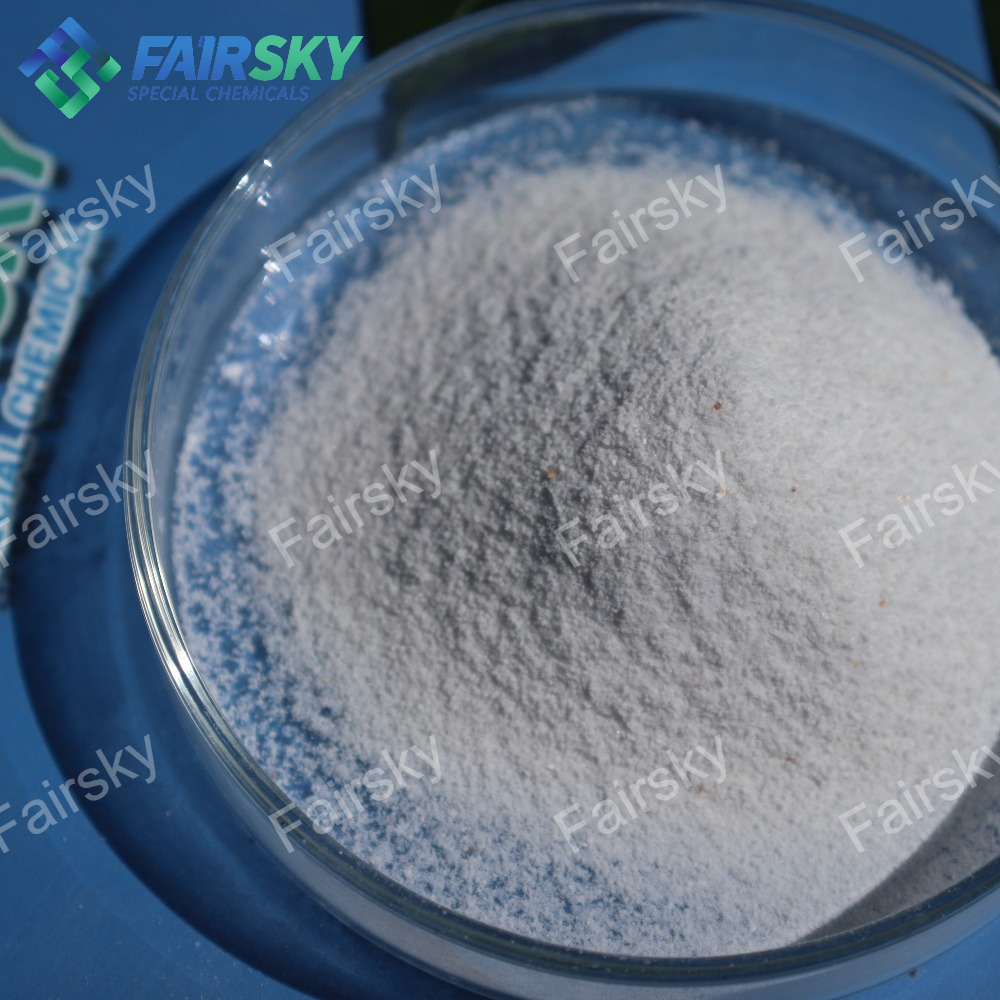
Lithium fluoride is a man-made compound having the chemical formula LiF. It is a very white solid, which changes to a clear white with increasing crystal size. Even though it is non-toxic, lithium fluoride still has a bitter taste. It is commonly used in dental care. Lithium Fluoride also describes potential antiseptic and antifungal uses, alongside applications in dental care, medical equipment, electronics, and thermoluminescence. evidence.
Lithium Fluoride (LiF) is an inorganic compound typically supplied as a white crystalline solid. It has high chemical stability and is used in several industrial applications, including optical materials, electronic components, and specialized chemical processing.
Its physical and chemical characteristics make it useful in applications that require specific optical, electrical, or thermal properties.
For more information about Lithium Fluoride and its established industrial applications, see:
Lithium Fluoride: Applications in Enamel, Optical Glass, Batteries, and Chemical Processing
The main ingredients of lithium fluoride are lithium carbonate, sodium bicarbonate, and lithium fluoride. These compounds are heated so that the temperature near the liquid phases is increased to a boiling point. As a result, lithium carbonate and lithium hydroxide separate, producing lithium fluoride gas. The separated lithium fluoride gases are then injected into the cavities for cleaning.
There are several methods to produce lithium fluoride gas. One method is known as lip facial electrolysis where lithium fluoride and water are mixed, heated to flavor the liquid. This produces lithium hydroxide with its functional properties.
Another method of production is through simple eutectic processes. In this process, lithium fluoride or lithium bicarbonate is mixed with a simple eutectic agent, which reacts with the lithium fluoride to form a solution. The lithium fluoride is separated from the solution by the positive electrode, while the positive electrode is connected to a collector plate wherein the ionic traces of the lithium fluoride will be collected. The ionic traces are separated into ions with positive charges (positively reacting atoms), and those with negative charges (reacting atoms with negative charges).
The benefits of using lithium fluoride are many. One of its greatest benefits is that it has no known side effects. Furthermore, lithium fluoride has no elastin, collagen, or elastin protein content, thus eliminating any possibility of the compound affecting the skin. Its use as a thermoluminescent agent has also proven beneficial.
A lithium fluoride preparation is prepared by adding the metal to an appropriate base, such as sodium bicarbonate. Once added, a catalyst is added which causes the reaction with the hydrofluoric acid to take place. The lithium fluoride will be released when the catalytic element is removed. The hydrofluoric acid, in the form of a gas, reacts with the aluminum ion to form an alloy. This new alloy is made of a more stable metal than that of the original compound and it is capable of resisting a much stronger chemical reaction than that of the aluminum ion.
1.The lithium fluoride and its main component, the lithium ion, have unique physical and chemical properties which make it useful as an antiseptic. In fact, it has been found to have antiseptic properties when applied topically to the skin. When applied to the mucous membranes, it works well as a cough suppressant. It also reduces the risk of having inhaled carcinogens. Its effect on the blood cells and its contribution to the elimination of oxygen in red blood cells makes it especially useful as a preventative measure against influenza and other virus infections.Other functionalities of lithium fluoride have been found. It has strong antibacterial, antiparasitic, antifungal, and antimicrobial activity. This makes it useful in treating a wide range of health disorders. For example, it is widely used in the treatment of athlete's foot. Athletes often suffer from fungal infections due to their foot injury; therefore, they use lithium fluoride to reduce discomfort, pain, and swelling. It has also been found to have good antibacterial, antifungal, and antifungal properties, making it useful in the treatment of conditions such as vaginal yeast infections.
2.Lithium fluoride can also be used to treat broken bones and joint pains. It can also prevent tooth decay and increase longevity of the teeth. People who suffer from poor eyesight can use lithium fluoride under the supervision of a qualified practitioner for better vision. This is made possible due to the non-reactive nature of the compound.
3.Lithium fluoride has been widely used in the production of medical devices to prevent radon gas build-up. This prevents the risk of lung cancer and other serious ailments caused by inhaling radioactive elements. It is also widely used in the production of x-ray tubes and in the manufacture of various semiconductor devices.
4.Lithium fluoride is used in a wide range of applications. It is used as a stabilizer in lithium carbonate batteries and in solid-state electronic circuits. It is used in the manufacture of some toys and in treating aquarium water. Its usefulness in the environment makes it one of the most environmental friendly chemicals of today. However, the question of its safety in human beings should not be resolved by the use of antiseptic liquids and is better resolved by ensuring that the lithium-ion metal is consumed in the purest form.
From a sourcing perspective, users should first define the intended application and the required product specifications.
For established industrial applications, relevant considerations may include chemical composition, impurity limits, packaging, and batch consistency. If Lithium Fluoride is being evaluated for a proposed antiseptic or antifungal application, additional evidence of efficacy, safety, and regulatory suitability would be required.
Clear specifications and supporting test documentation help distinguish general chemical quality from performance requirements for a particular application.
Lithium Fluoride is an inorganic fluoride compound used in a range of industrial applications. Although the supplied source associates it with antiseptic and antifungal uses, the information provided does not establish its effectiveness or safety for treating infections.Any proposed antimicrobial application should be supported by appropriate efficacy testing, toxicological evaluation, and regulatory review. Material specifications and chemical quality are important, but they cannot replace evidence of performance and safety for the intended use.For product specifications, technical information, or a quotation, contact FAIRSKY INDUSTRIAL CO., LIMITED to discuss your Copper Hydroxide requirements.
Related Products
 中文
 Español
 العربية
 Русский
 Português
 한국어


