Nickel sulfate is one of the most important inorganic nickel salts widely used in electroplating, battery materials, catalyst production, and specialty chemical manufacturing.
Due to its stable nickel content, high solubility, and excellent electrochemical properties, nickel sulfate hexahydrate (NiSO₄·6H₂O) plays a crucial role in both traditional surface treatment industries and modern energy storage technologies.
This article provides an overview of nickel sulfate properties, industrial applications, crystal control considerations, and global market insights based on FAIRSKY’s experience in supplying nickel chemicals.
Basic Introduction to Nickel Sulfate Hexahydrate
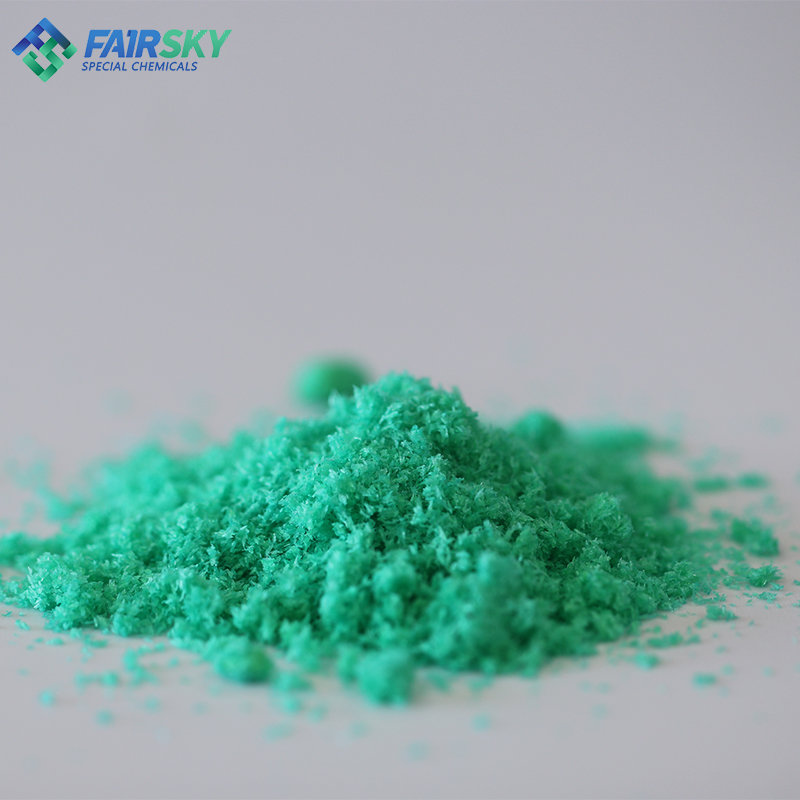
Nickel sulfate hexahydrate typically appears as green crystalline solids with good water solubility. Its aqueous solution is acidic and stable under normal conditions, making it suitable for a variety of industrial chemical processes.
Because of its reliable nickel ion supply and predictable chemical behavior, nickel sulfate is widely used as a raw material for nickel salts, electroplating solutions, battery precursors, and catalysts.
Product Profile – Nickel Sulfate Hexahydrate
The following table summarizes the key specifications of nickel sulfate for industrial and chemical applications.
Field | Description |
Product Name | Nickel Sulfate Hexahydrate |
Molecular Formula | NiSO₄·6H₂O |
CAS No. | 10101-97-0 |
Appearance | Green crystalline solid |
Specification | Ni 22% min |
Main Applications | Electroplating, battery materials, catalyst production |
Manufacturer | FAIRSKY INDUSTRIAL CO., LIMITED |
Physical and Chemical Characteristics
Nickel sulfate hexahydrate forms green cubic crystals with a specific gravity of approximately 2.07. It dissolves easily in water while being only slightly soluble in acidic or ammonia-containing solutions.
Its aqueous solution shows acidic characteristics, which makes it particularly suitable for electrochemical applications such as electroplating baths and metal surface treatments.
The compound is stable under normal storage conditions but should be kept sealed and protected from chlorine gas and direct sunlight.
Major Industrial Applications of Nickel Sulfate
Electroplating and Surface Treatment
Nickel sulfate is one of the most important nickel sources used in electroplating processes. It supplies nickel ions in plating baths, allowing metal surfaces to form protective and decorative nickel coatings.
These coatings significantly improve corrosion resistance, wear resistance, and visual appearance of metal products, making nickel sulfate widely used in automotive parts, machinery components, and hardware manufacturing.
In addition, nickel sulfate is used in electroless nickel plating systems and surface finishing processes for precision components.
Lithium Battery and Energy Storage Materials
With the rapid development of electric vehicles and renewable energy technologies, nickel sulfate has become a key precursor in the production of ternary lithium battery cathode materials.
Nickel-containing cathodes, such as NCM and NCA materials, rely on high-quality nickel sulfate as a stable nickel source during synthesis. These materials provide higher energy density and improved battery performance for modern energy storage systems.
Nickel Salts and Catalyst Manufacturing
Nickel sulfate also serves as an important intermediate in the preparation of other nickel salts and catalytic materials.
It can be used in organic synthesis reactions and catalyst systems involved in chemical manufacturing processes, coatings production, and specialty industrial reactions.
Crystal Size Control in Nickel Sulfate Production
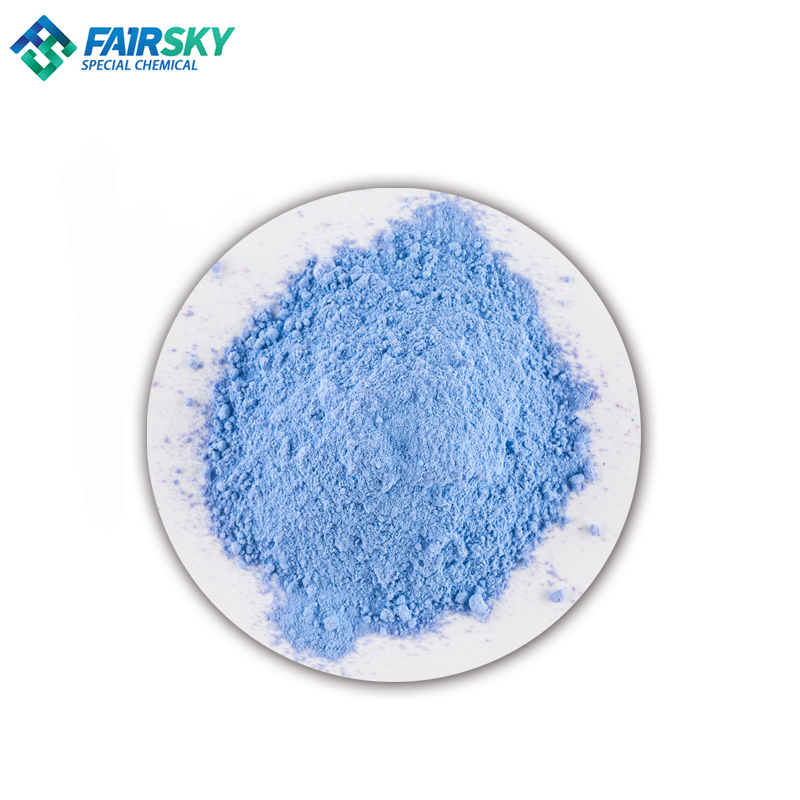
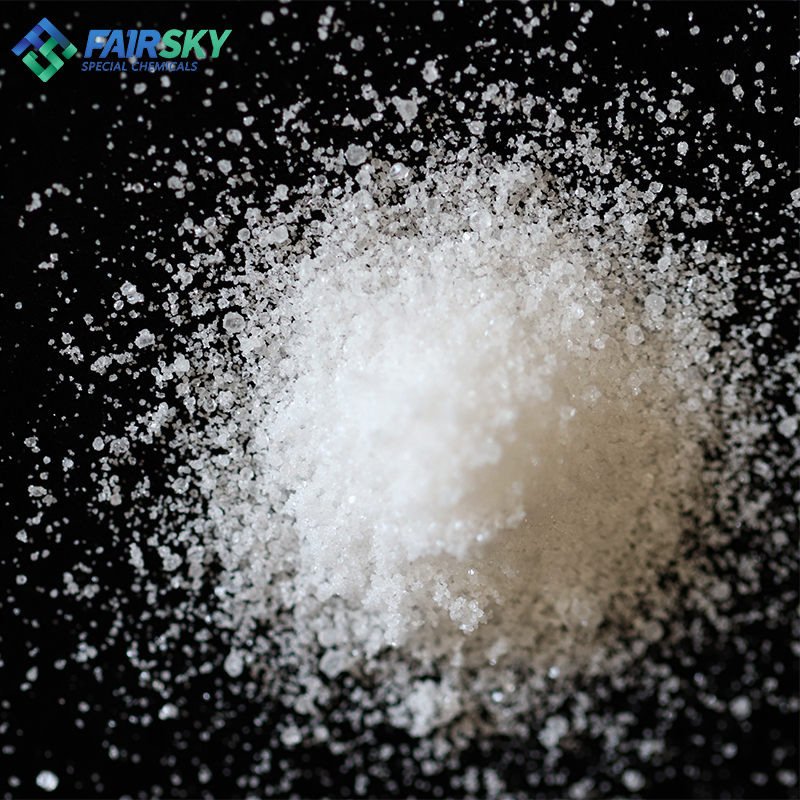
The crystal size of nickel sulfate products varies significantly between different manufacturers due to differences in production technology and crystallization control.
Several factors influence crystal formation, including:
• Crystallization temperature
• Solution concentration
• pH value of the system
• Presence of impurities
• Crystallization methods and equipment
For industrial users, crystal size can influence dissolution rate, handling performance, and process stability. Therefore, manufacturers often provide samples for testing and adjust production parameters according to customer requirements.
Regional Market Characteristics
Global demand for nickel sulfate is largely driven by the battery industry. However, application structures may vary across regions.
For example, based on current trade data, most nickel sulfate imported into Pakistan is used primarily for electroplating applications rather than battery manufacturing. Local industries focus on surface treatment and corrosion-resistant coatings for metal products.
Understanding regional application differences helps suppliers better tailor product specifications and supply strategies.
Storage and Packaging
Nickel sulfate should be stored in sealed containers in a dry and ventilated environment. Exposure to chlorine gas or direct sunlight should be avoided to maintain product stability.
Packaging:
25 kg net weight, paper/PE composite bags with double PE inner liners.
Conclusion
Nickel sulfate hexahydrate remains a fundamental raw material for electroplating, battery materials, catalyst manufacturing, and specialty chemical production.
Its reliable nickel content, excellent solubility, and broad industrial applicability make it an essential compound in both traditional manufacturing and emerging energy technologies.
With years of experience in nickel and cobalt chemical supply, FAIRSKY provides high-quality nickel sulfate products with stable specifications and customizable crystal sizes to meet diverse industrial requirements.
Looking for a reliable supplier of nickel sulfate for electroplating or battery applications? Contact FAIRSKY to request technical information or product samples. |